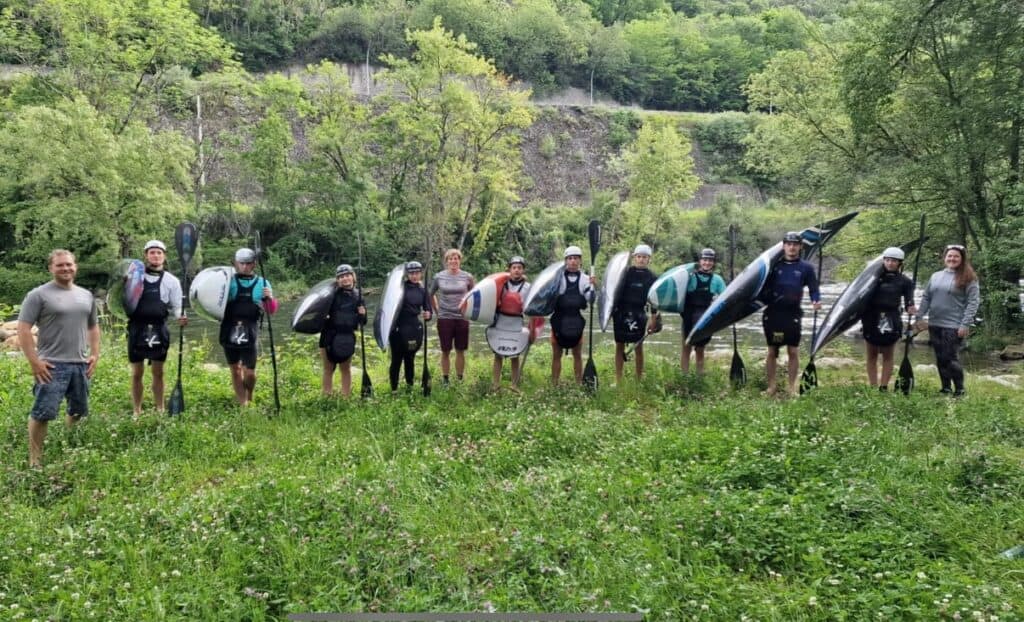
Introduction to the Paddle UK Under 21’s Training Camp
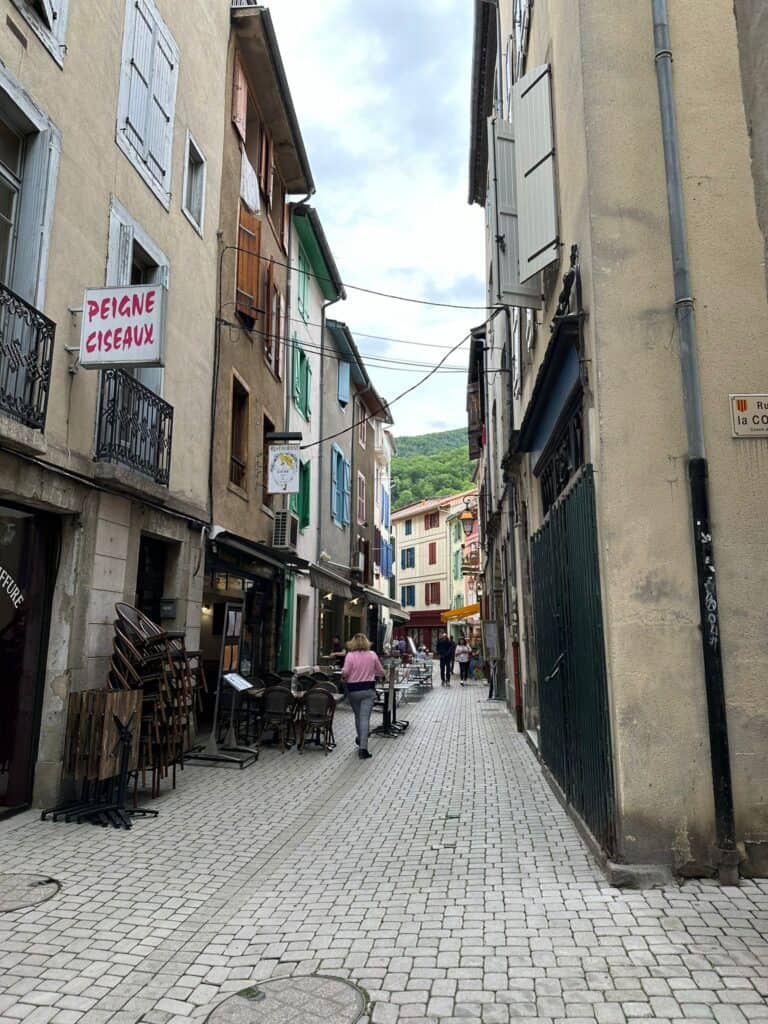
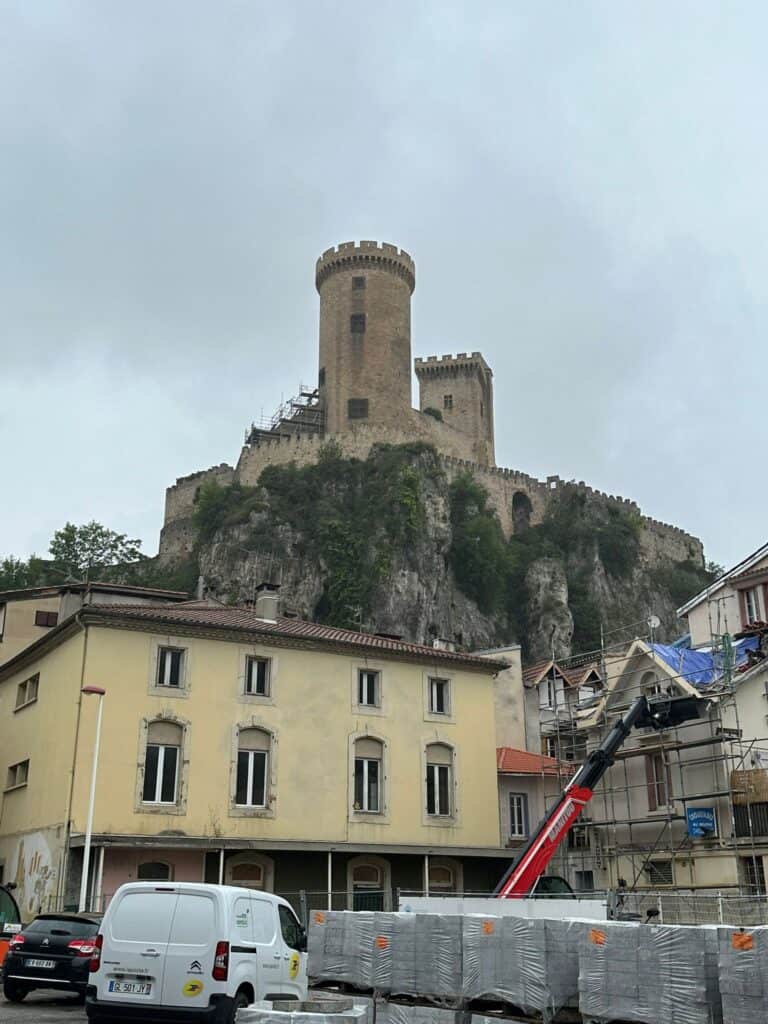
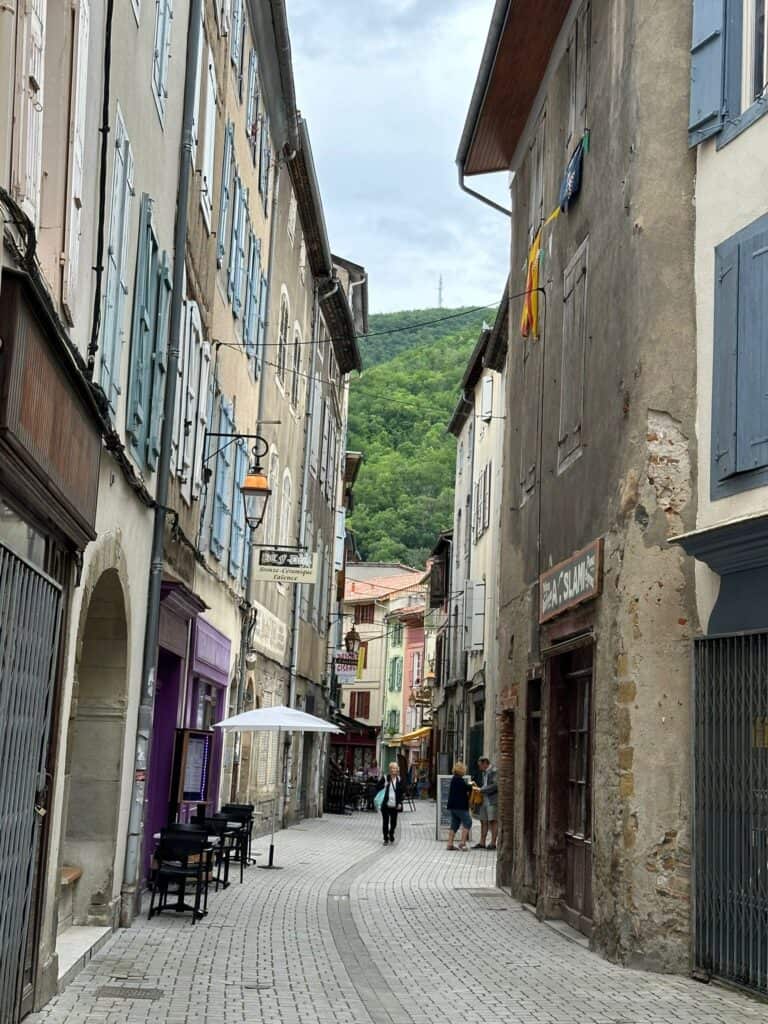
In May 2024, I had the opportunity to support Paddle UK’s youth international canoe slalom team during their training camp in Foix, France. Over four days, athletes participated in challenging course simulations on the local river. My role, combining performance lifestyle advice and strength and conditioning, allowed me to provide more holistic support to the team in this high-pressure environment.
Collaborating With And Learning from Elite Canoe Slalom Coaches
One of the most rewarding aspects of this experience was collaborating with two former elite athletes: Olympian Fiona Pennie and Anton Lippek, both experienced canoe slalom coaches. Working alongside them provided unique insights into the sport, particularly around course management, stress control, and the technical demands of canoe slalom.
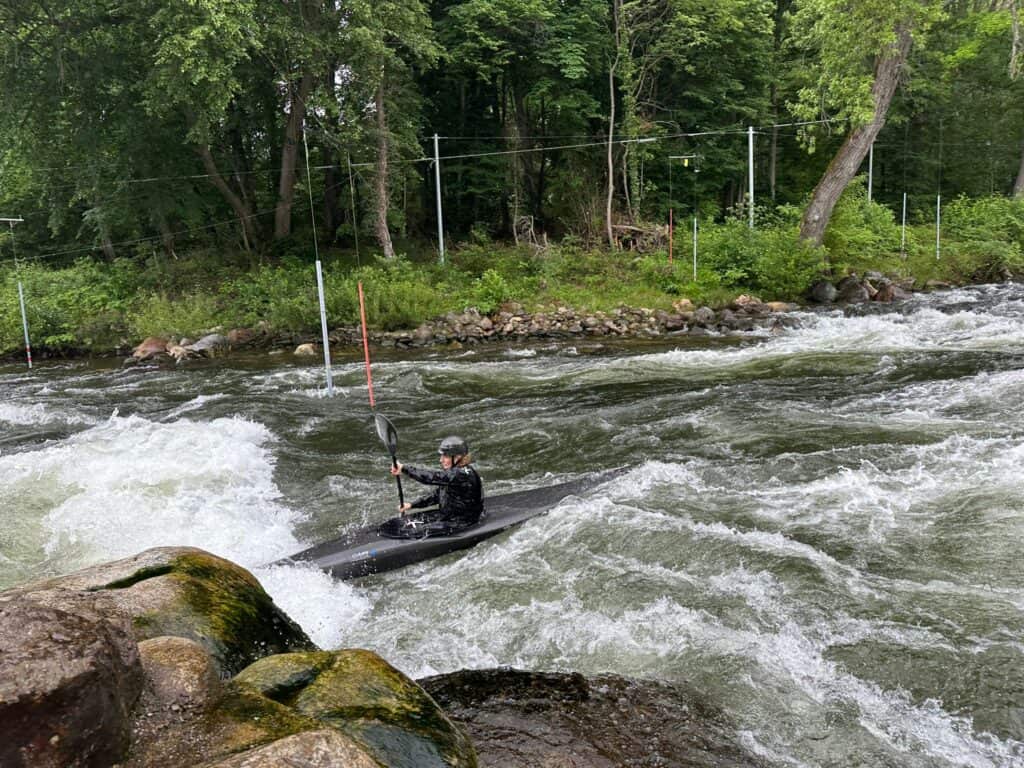
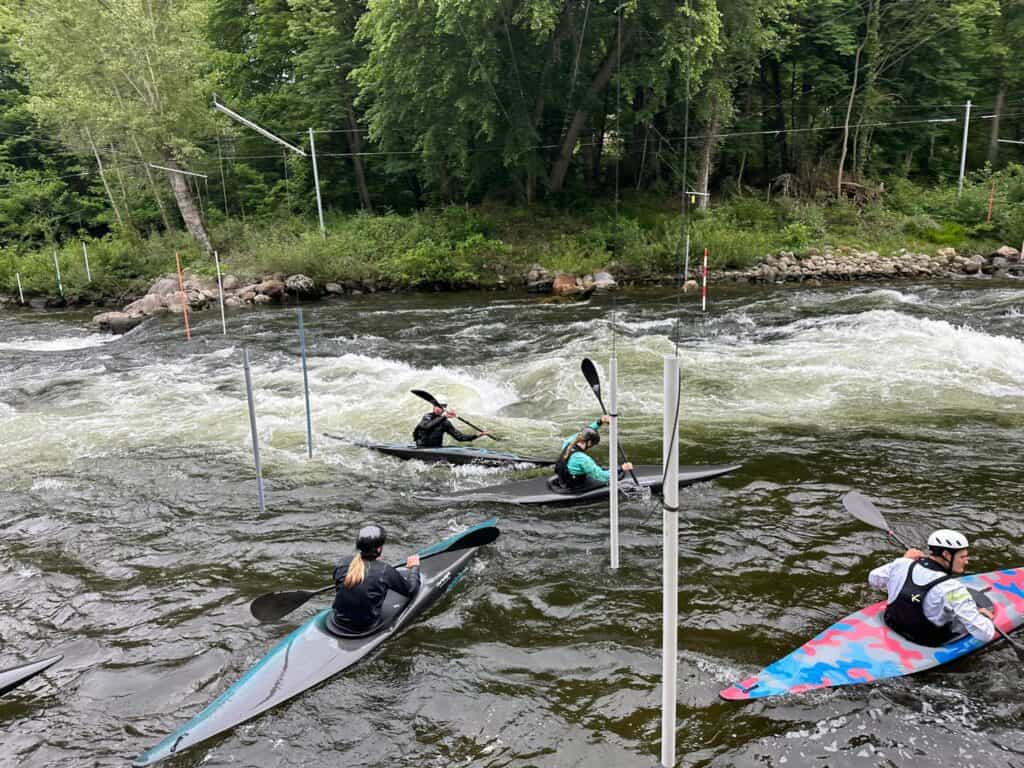
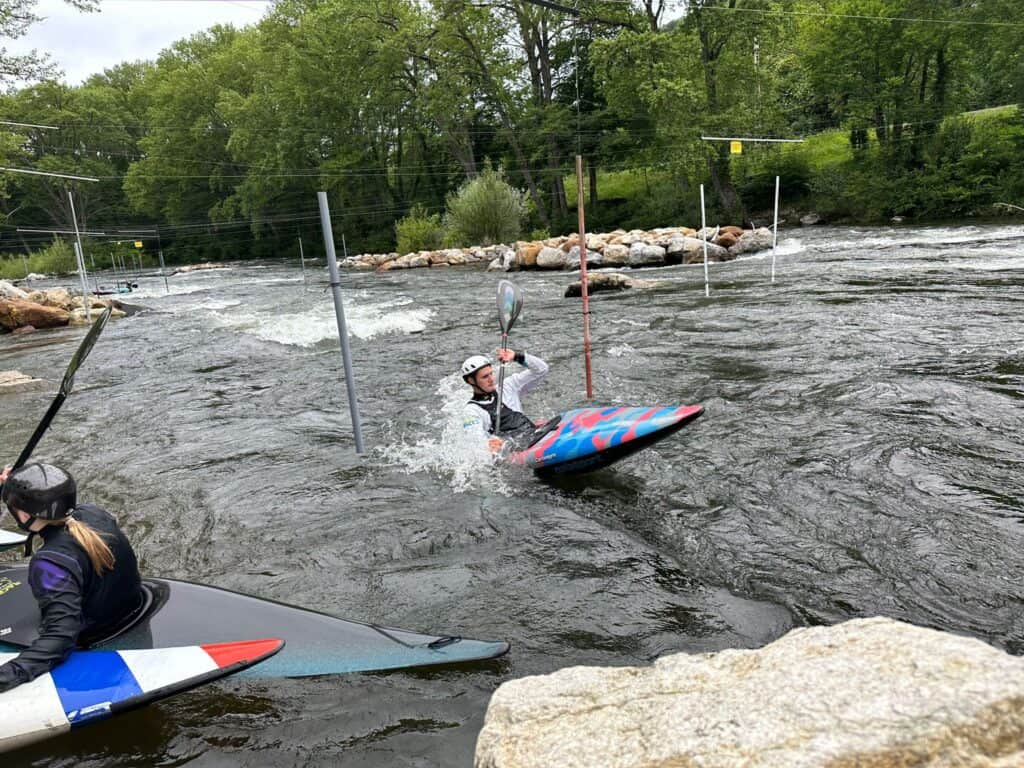
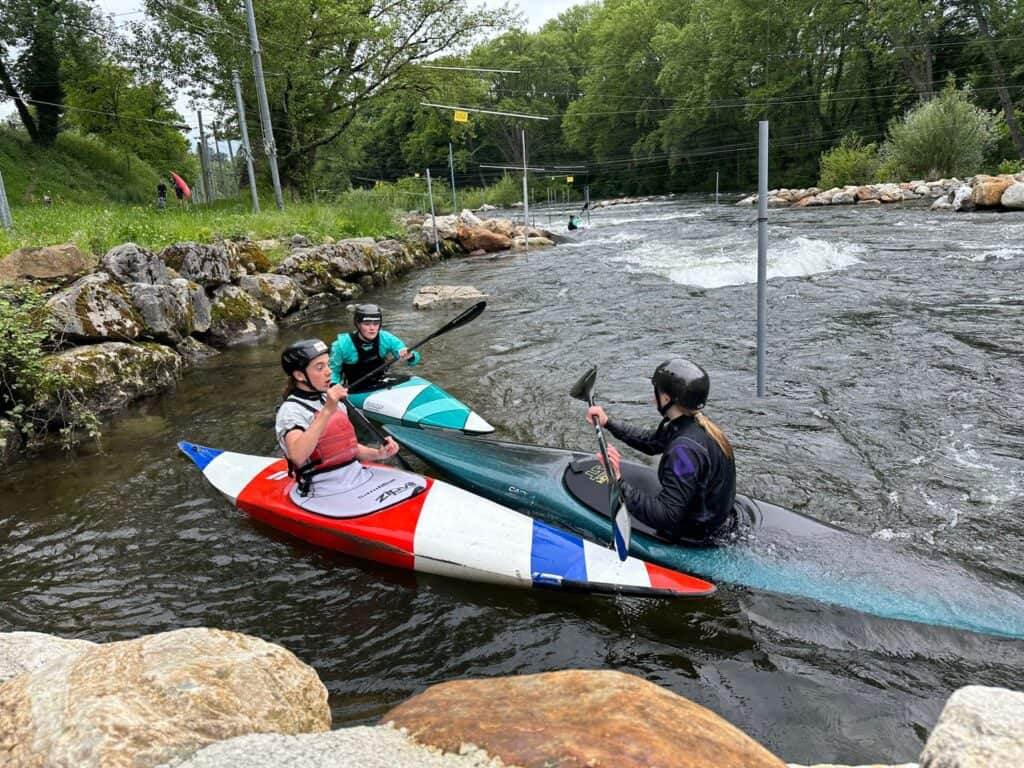
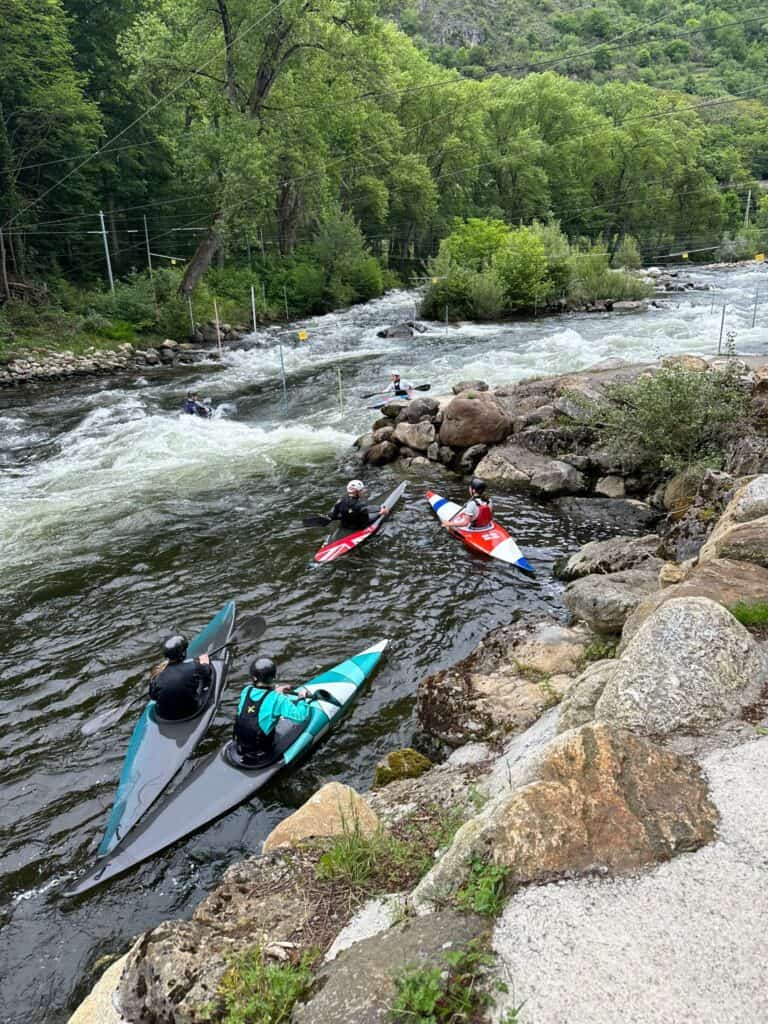
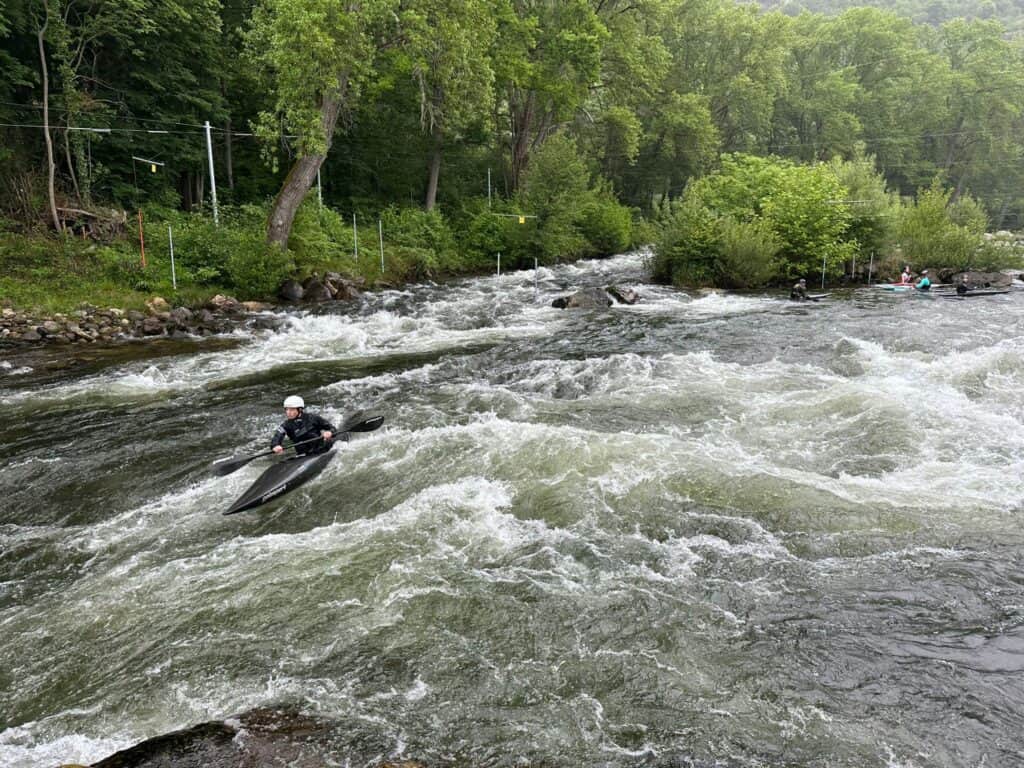
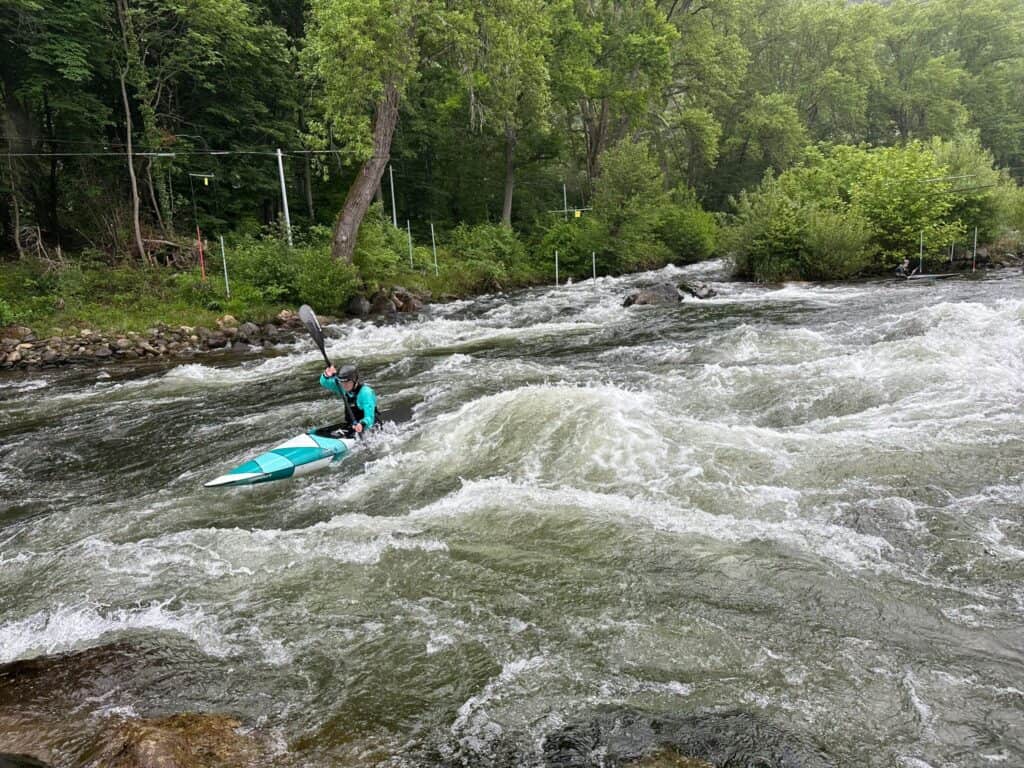
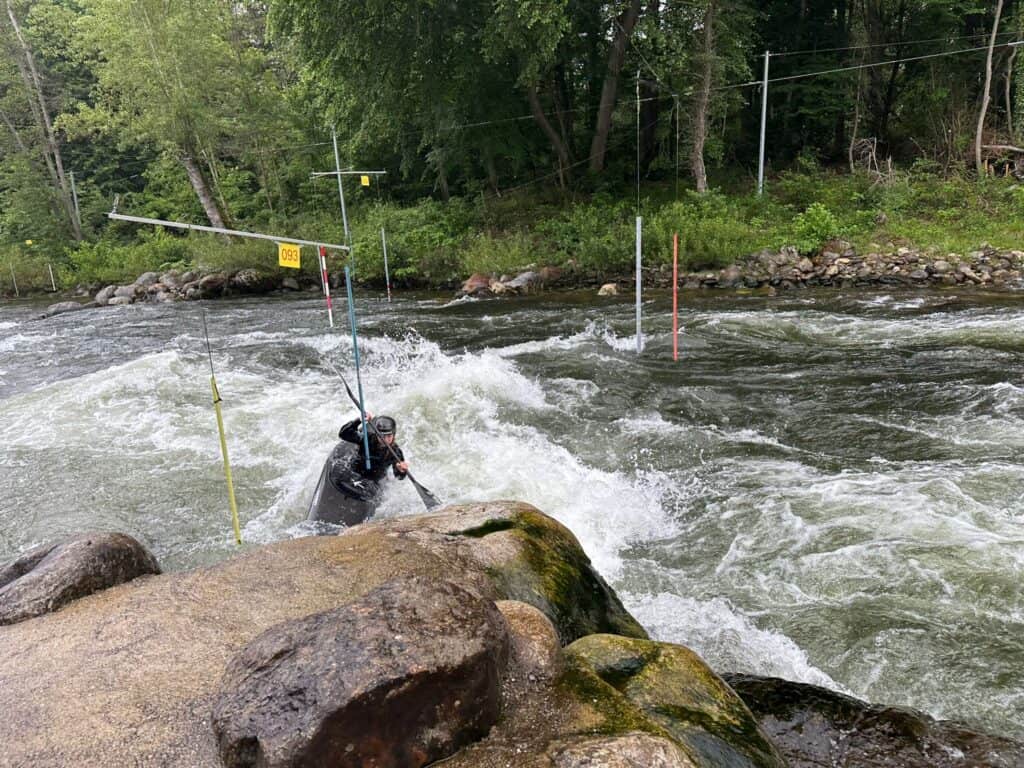
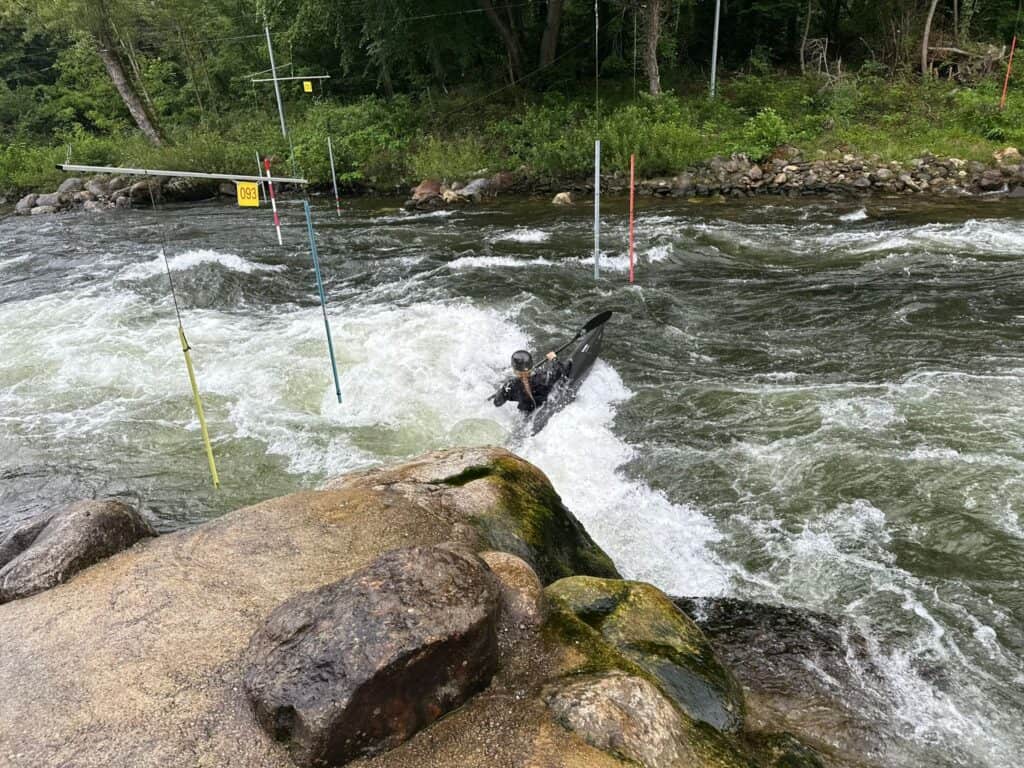
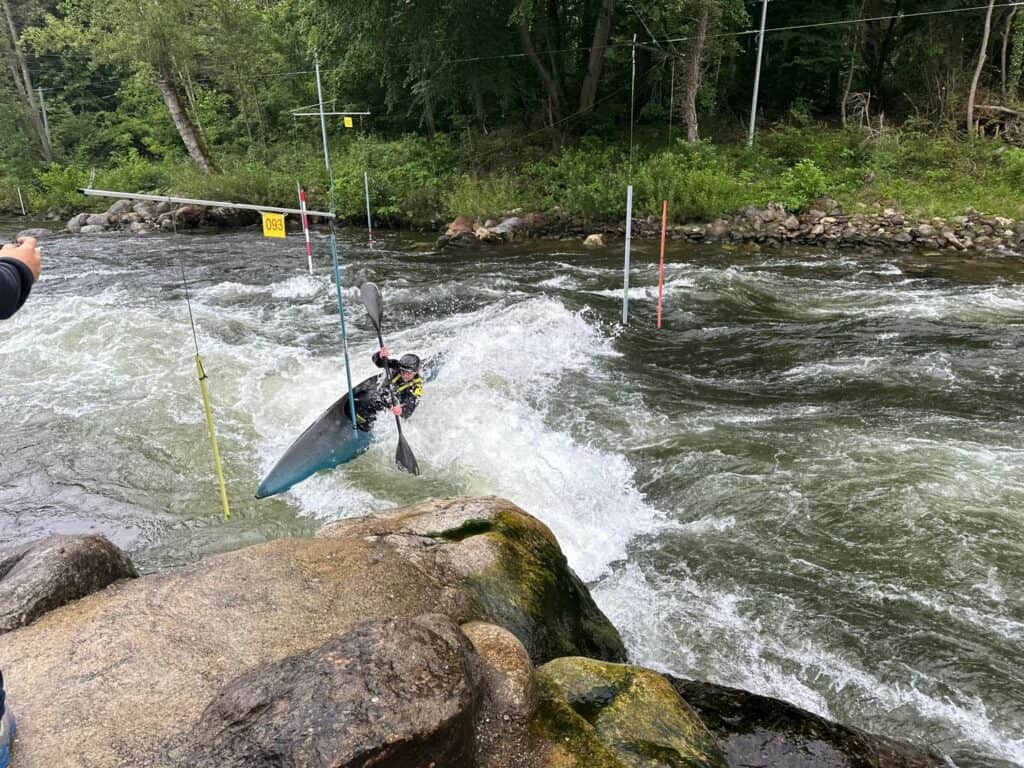
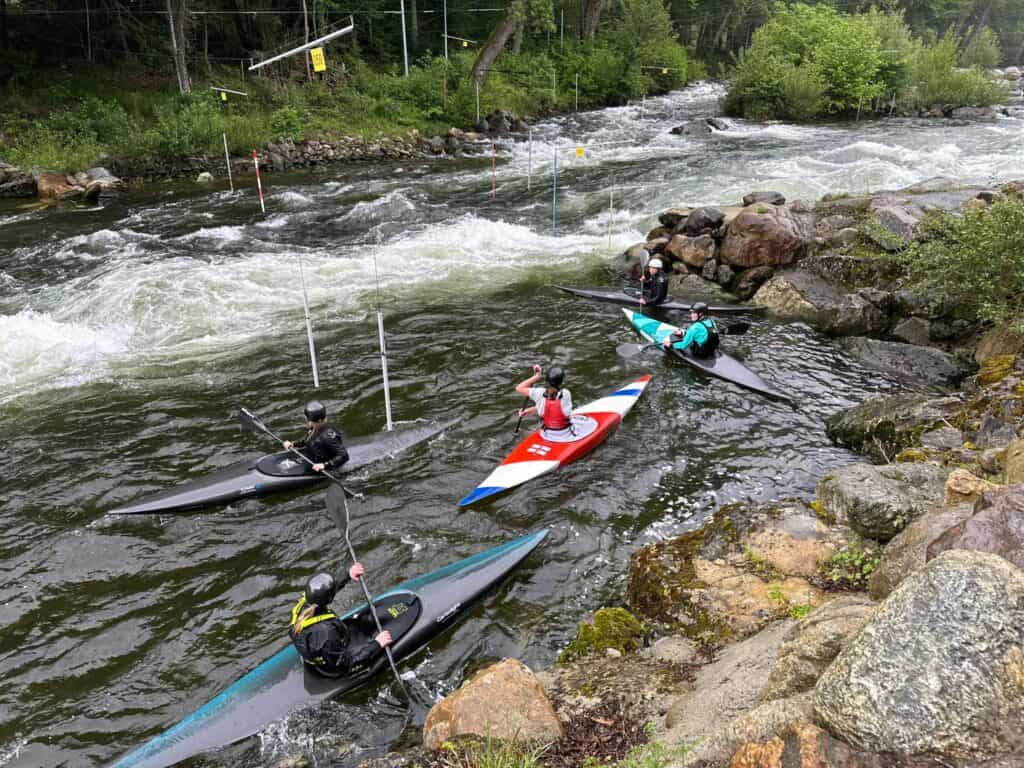
Observing their coaching styles was a learning experience in itself. Both Fiona and Anton fostered a positive, high-performance environment, sharing personal experiences from their competitive careers to help the young athletes better manage the pressures of competition. Their approach prioritised both performance and athlete well-being, something I aim to incorporate into all my coaching practices.
My Role as a Performance Lifestyle and Strength & Conditioning Coach
While I was primarily there as a Performance Lifestyle Advisor, my experience as a strength and conditioning coach enabled me to contribute beyond lifestyle management. This dual approach was instrumental in preparing the athletes both physically and mentally for their canoe slalom training.
Riverside Warm-Ups Tailored for Canoe Slalom
Each day, I led dynamic canoe slalom warm-ups by the riverside to prepare the athletes for the demanding simulations. These warm-ups not only targeted physical readiness but also helped sharpen mental focus, critical for handling the unpredictable river conditions.
Personalised Strength and Conditioning Guidance
Working closely with the athletes, I provided personalised strength and conditioning advice tailored to their specific needs. My background in white-water kayaking coaching allowed me to help them balance training intensity with effective recovery strategies.
Workshops and Recovery Sessions
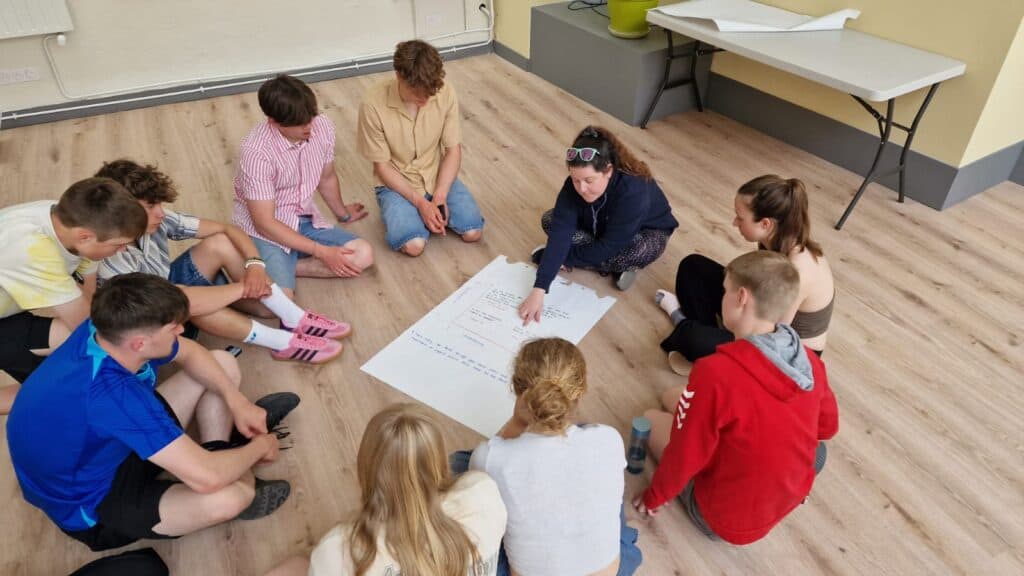
One of the key workshops focused on goal setting, both for the camp and beyond. We discussed breaking down their objectives, ensuring they were SMART (Specific, Measurable, Achievable, Relevant, and Time-bound), and identifying the actions needed to achieve them.
We also covered time management for athletes, with an emphasis on using time more efficiently, managing stress, and prioritising commitments—critical skills for balancing training with academic pressures. While the workshops were valuable, I found that the one-to-one discussions provided the greatest benefit. Some athletes sought advice on university options, competing full-time, or finding work that complemented their sporting commitments. Others simply needed a space to express their concerns about performance pressures, academic stress (revision techniques) and being able to recover between the two (sport and studies).
This naturally led into a conversation on the importance of recovery—exploring different reasons why recovery is essential and assessing how effectively they were already incorporating it into their routines. We also discussed various recovery methods, highlighting simple but often underutilised strategies that can make a significant difference.
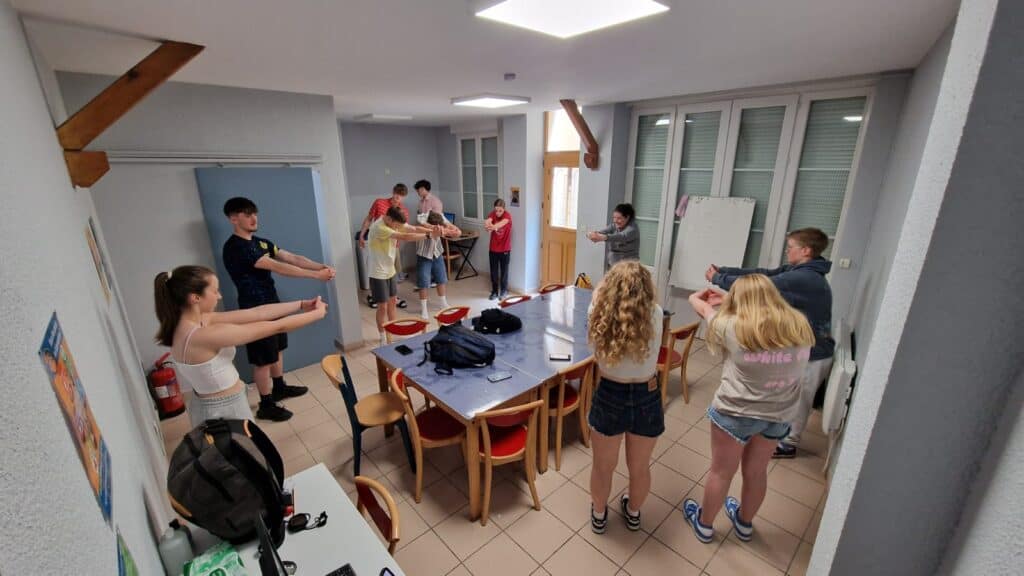
On the final evening of my attendance, the athletes were feeling a bit physically fatigued and mentally stressed. To address this, I led a stretching session at our accommodation, focusing on basic movements allowing them to slow down for a moment, notice and pay attention to their aches, tightness etc. I also incorporated some breathwork techniques to improve focus and relaxation.
A Unique Setting in the French Pyrenees
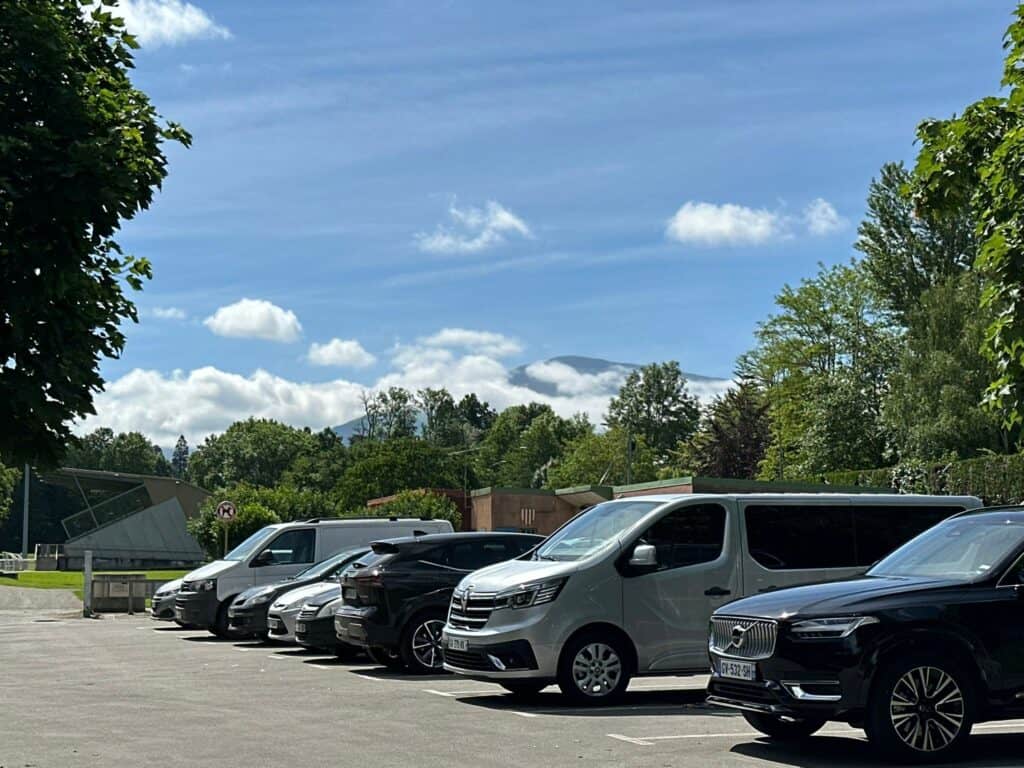
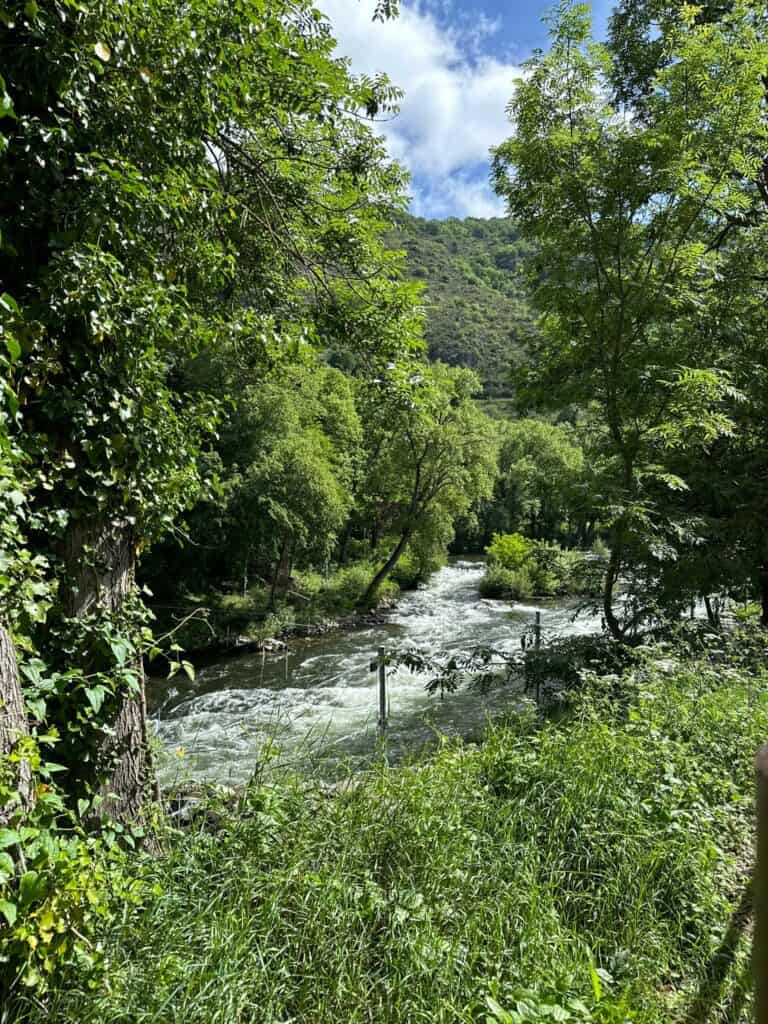
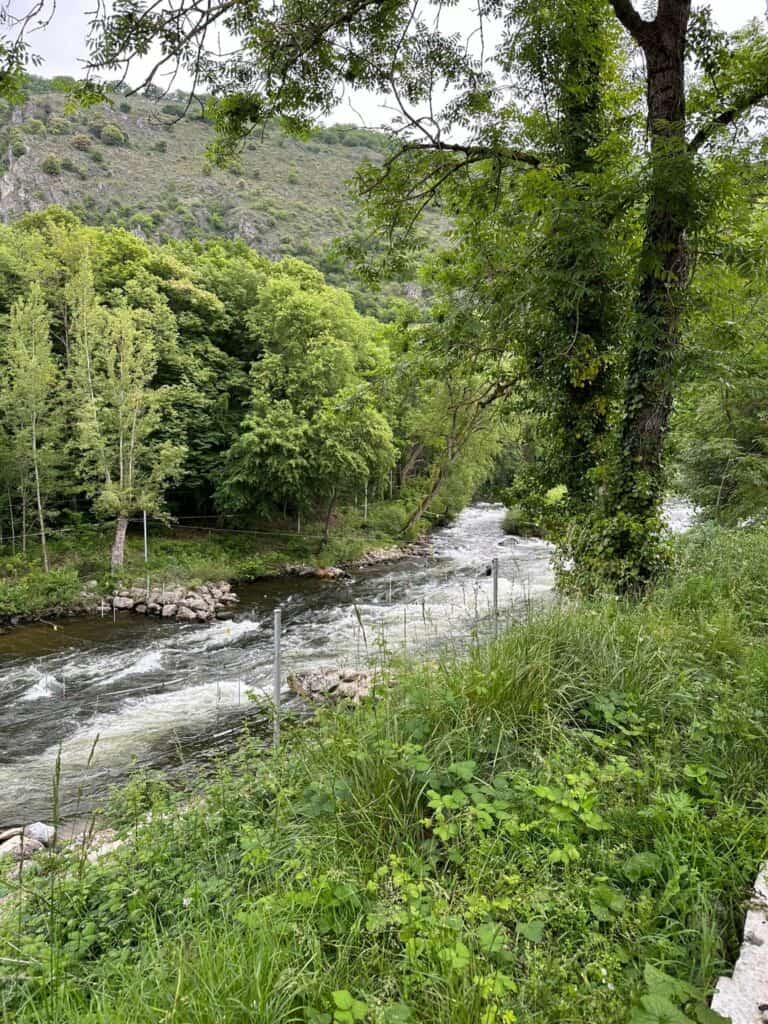
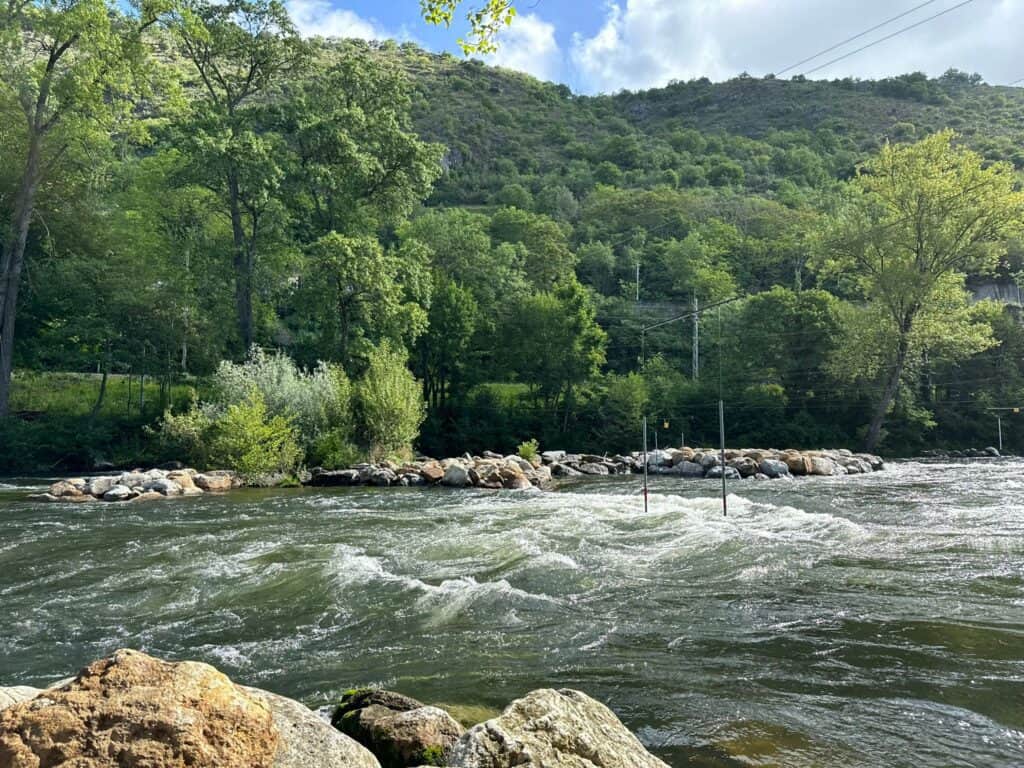
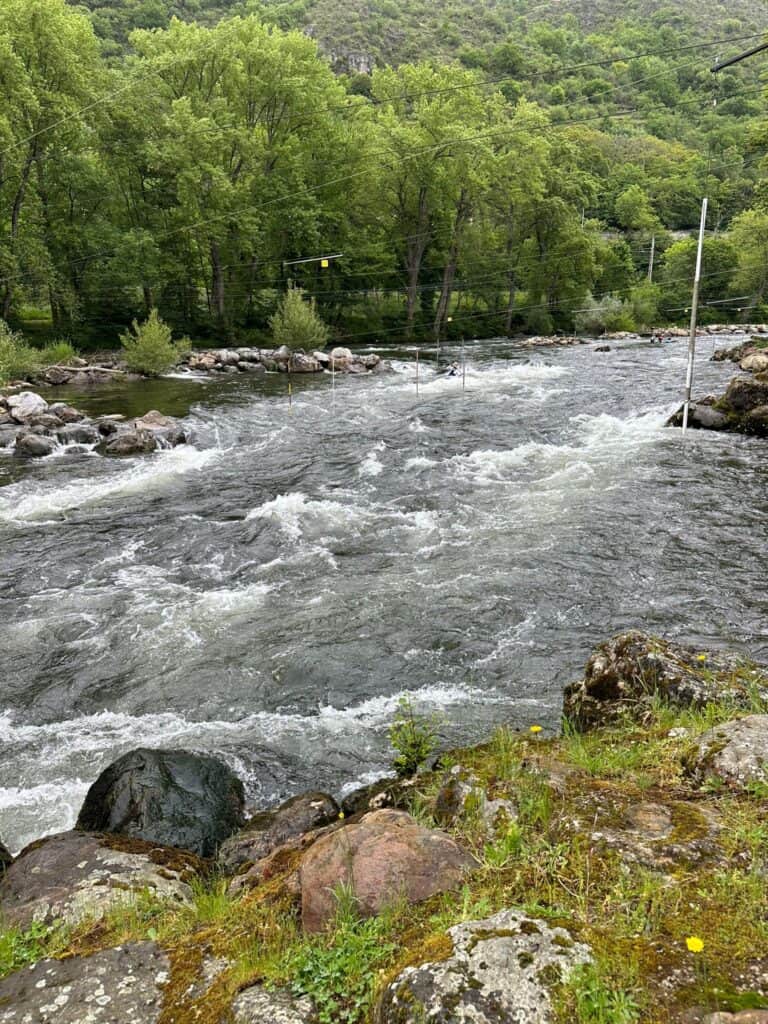
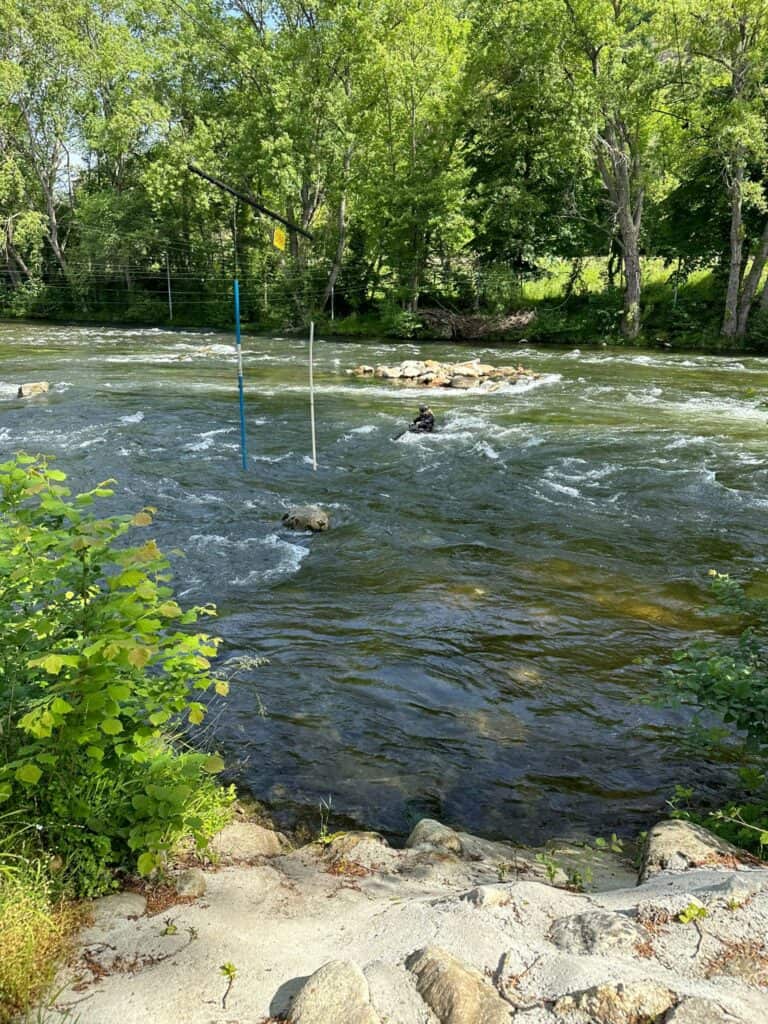
The stunning backdrop of the French Pyrenees greatly enhanced the experience. With my passion for the outdoors and outdoor sports, it was a setting I naturally felt connected to. My background in outdoor education and sports instruction, combined with my current research, consistently brings me back to outdoor environments.
Each day by the river, I had the privilege of observing the athletes face new challenges. There’s something unique about seeing athletes pushed both physically and mentally—not only by their coaches and their discipline but also by the natural environment itself. This creates a distinct atmosphere, quite different from the more controlled and predictable fields of play in other sports.
The Path to This Opportunity
My work in outdoor sports performance has spanned multiple disciplines. I have supported international training camps for sports like triathlon and dance while working at resorts in Greece, and more recently, I’ve collaborated with GB Climbing on their youth national training camp. Working with Paddle UK’s team allowed me to bring my experience in strength and conditioning and performance lifestyle coaching together in a new and exciting context, continuing my mission to help young athletes succeed in high-performance environments.
If you’re interested in more details about TASS and the camp support for Paddle UK, you can read more here.
My Key Takeaways
- Holistic Athlete Support: Integrating performance lifestyle coaching with strength and conditioning leads to better-rounded athlete development. This is the second camp I’ve supported through TASS and being able to utlise my interdisciplinary skills has been more beneficial than one in isolation. This also reflects a lot of what I am seeing in the industry.
- Expert Collaboration: Working with elite coaches like Fiona Pennie and Anton Lippek provides invaluable insights into both the sport and effective coaching strategies. Being able to ask questions, suggest solutions or options directly to the coaches, allowed me to gain direct feedback and more understanding of this specific disciplines demands.
- Athlete Well-being: A focus on stress management, time management, and recovery is crucial, particularly for young athletes managing multiple commitments.
- Learning from Elite Canoe Slalom: Each training camp provides unique learning opportunities, whether it’s mastering the unpredictable river conditions or refining athlete development techniques.
FAQs
1. What is performance lifestyle coaching in canoe slalom? Performance lifestyle coaching involves helping athletes balance their training with other life commitments, such as academics, mental well-being, and recovery strategies. It ensures that they can manage stress and maintain peak performance both on and off the water.
2. How does strength and conditioning benefit canoe slalom athletes? Strength and conditioning for canoe slalom should focus on building fundamental ability to move well and build basic biomotor skills. To take this further when working with athletes you can develop specificity upper body strength, core stability, and endurance, essential for navigating powerful water currents. Really this should be individualised based on the athletes experience in training, their injury history, their goals, the specific demands of the discipline and then progressed (if possible). Tailored training can help improve performance and reduce the risk of injury.
3. Why are recovery sessions important during a canoe slalom training camp? Recovery sessions allow athletes to recuperate physically and mentally between intense training sessions. Stretching, breathwork, refueling appropriately and active recovery reduce cognitive and physical fatigue and help athletes maintain high performance throughout the camp.
4. What was unique about the canoe slalom course in Foix, France? The river course in Foix was challenging due to its natural unpredictability. The coaches weren’t quite sure what to expect with the water levels, and with the course being used by local athletes at the club the gates were set for the level of the last people on. Additionally, the coaches (Fiona Pennie and Anton Lippek) adjusted the course regularly, pushing athletes to adapt quickly to changing conditions.